
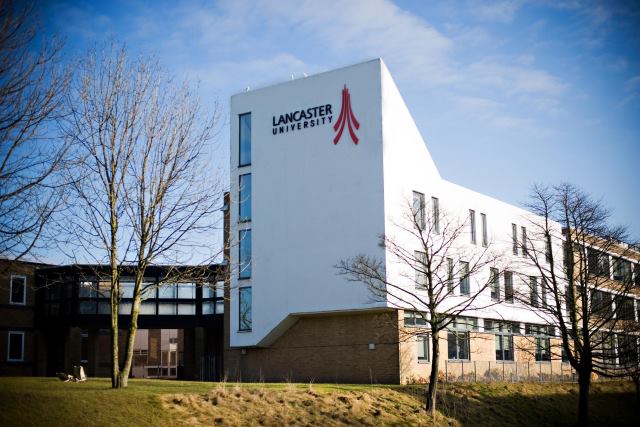
Lancaster University opened its doors in 1964 and, in its short history, has managed to climb to 9th place in the UK rankings and 160th in the QS World University Rankings 2015/2016. It is located near the historic city of Lancaster, on the edge of the Lake District, on a 360-acre parkland campus. The Research Excellence Framework 2014 placed it 13th for world-leading research. The university ranks especially high in the following subjects: politics, philosophy and religion - 3rd; business and management - 1st; sociology - 3rd; mathematics and statistics - 5th. Lancaster University is the best in the country for social work, and other subjects in the top 10 include accounting and finance, art and design, business management, communications, film studies, engineering, linguistics, Italian, French, marketing, social policy and theology. The university emphasizes independent study, which means each student is responsible for how much and when they study, but must keep within the set time frames. The university's Careers Center and the Lancaster Award initiative help students find jobs by connecting them with numerous employers.
Lancaster is a small city whose history can be traced back several thousand years. The city has a cathedral and a medieval castle where the Pendle witches were held, and it is surrounded by the countryside of the Lake District, the Forest of Bowland and the Lune Valley. Lancaster is a welcoming student town with plenty of pubs, clubs, shops, restaurants and theaters.
Main programs and majors (For a detailed list, ask one of our advisors)
- Accounting and Finance
- Arts and Design
- Biomedical and Life Sciences
- Chemistry
- Computing and Communications
- Economics
- Engineering
- English and Creative Writing
- Entrepreneurship, Strategy and Innovation
- Environmental Studies
- History
- Law
- Linguistics
- Management
- Marketing
- Mathematics and Statistics
- Medical Studies
- Natural Sciences
- Organisation, Work and Technology
- Physics
- Politics, Philosophy and Religion
- Psychology
- Sociology
Key information
Duration of study:
3-5 years for Bachelor's programs
1-2 years for Master's programs
Academic year:
2 semesters - September and January
Start of the year:
September and January (for some programs only)
Application deadline:
October 15 for medicine
January 15 is the recommended deadline for most majors. The final cutoff is June 30, but those applications will not be given priority.
There is no deadline for Master's and PhD/doctoral programs, but the university advises applying as early as possible.
Admission requirements:
High school diploma with a minimum GPA of 5.0, depending on the major. For Master's and doctoral programs, a Bachelor's or Master's degree, respectively, with a grade between 4.2 and 6.0, depending on the major.
IELTS
For Bachelor's programs, a minimum of 6.5, depending on the major (some engineering majors accept 6.0). For Master's programs, a minimum of 6.5.
TOEFL
For Bachelor's and Master's programs, a minimum of 93, depending on the major. For Master's programs, a minimum of 93.
Cambridge English: Advanced/Proficiency
For Bachelor's programs, a minimum of 169 (C), depending on the major. For Master's programs, a minimum of 169 (C).
Scholarships and loans
The tuition fee for Bachelor's programs is £9,000. The UK government provides student loans with favorable repayment terms. Students only start repaying the loan once they earn an annual salary of more than £21,000. For more information, ask one of our advisors.
Master's and doctoral programs cost between £6,250 and £20,000, and the MBA costs £27,000. Getting a loan for them is more difficult, but not impossible.
Accommodation:
University residence halls cost between £88 and £150 per week, depending on the hall and room type. Accommodation in a house or apartment outside the university residence halls costs between £2,500 and £4,000 per year.